INTRODUCTION
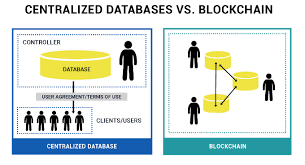
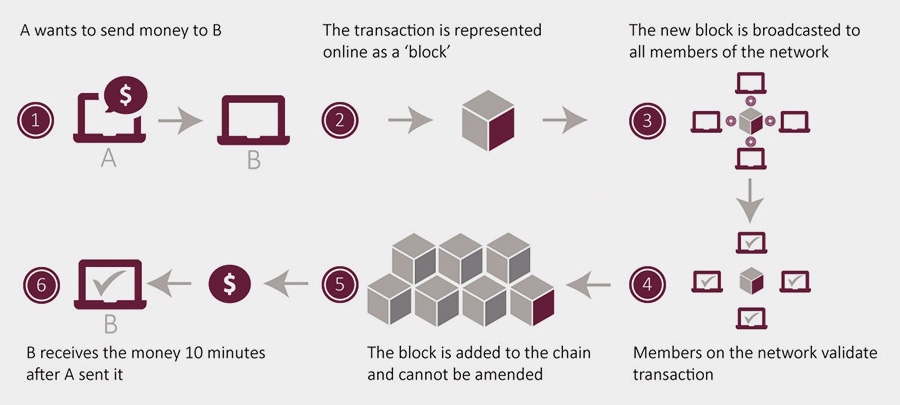
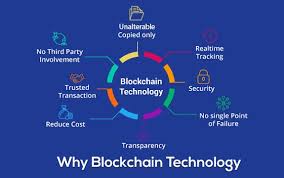
A blockchain, originally block chain, is a growing list of records, called blocks, which are linked using cryptography. Blockchains which are readable by the public are widely used by cryptocurrencies. It is “an open, distributed ledger that can record transactions between two parties efficiently and in a verifiable and permanent way”. For use as a distributed ledger, a blockchain is typically managed by a peer-to-peer network collectively adhering to a protocol for inter-node communication and validating new blocks. Once recorded, the data in any given block cannot be altered retroactively without alteration of all subsequent blocks, which requires consensus of the network majority.
USES
Blockchain technology can be integrated into multiple areas. The primary use of blockchains today is as a distributed ledger for cryptocurrencies, most notably bitcoin. There are a few operational products maturing from proof of concept by late 2016.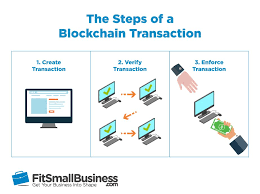
Smart contracts
Blockchain-based smart contracts are proposed contracts that could be partially or fully executed or enforced without human interaction. One of the main objectives of a smart contract is automated escrow. An IMF staff discussion reported that smart contracts based on blockchain technology might reduce moral hazards and optimize the use of contracts in general.
Banks
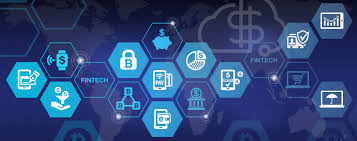
Major portions of the financial industry are implementing distributed ledgers for use in banking, and according to a September 2016 IBM study, this is occurring faster than expected.
Banks are interested in this technology because it has potential to speed up back office settlement systems.
Banks such as UBS are opening new research labs dedicated to blockchain technology in order to explore how blockchain can be used in financial services to increase efficiency and reduce costs.
Other uses
Blockchain technology can be used to create a permanent, public, transparent ledger system for compiling data on sales, tracking digital use and payments to content creators, such as wireless users or musicians.
New distribution methods are available for the insurance industry such as peer-to-peer insurance, parametric insurance and microinsurance following the adoption of blockchain. The sharing economy and IoT are also set to benefit from the blockchains because they involve many collaborating peers. Online voting is another application of the blockchain.
Blockchains facilitate users could take ownership of game assets (digital assets), an example of this is Cryptokitties.
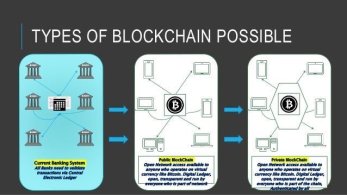 Private blockchains